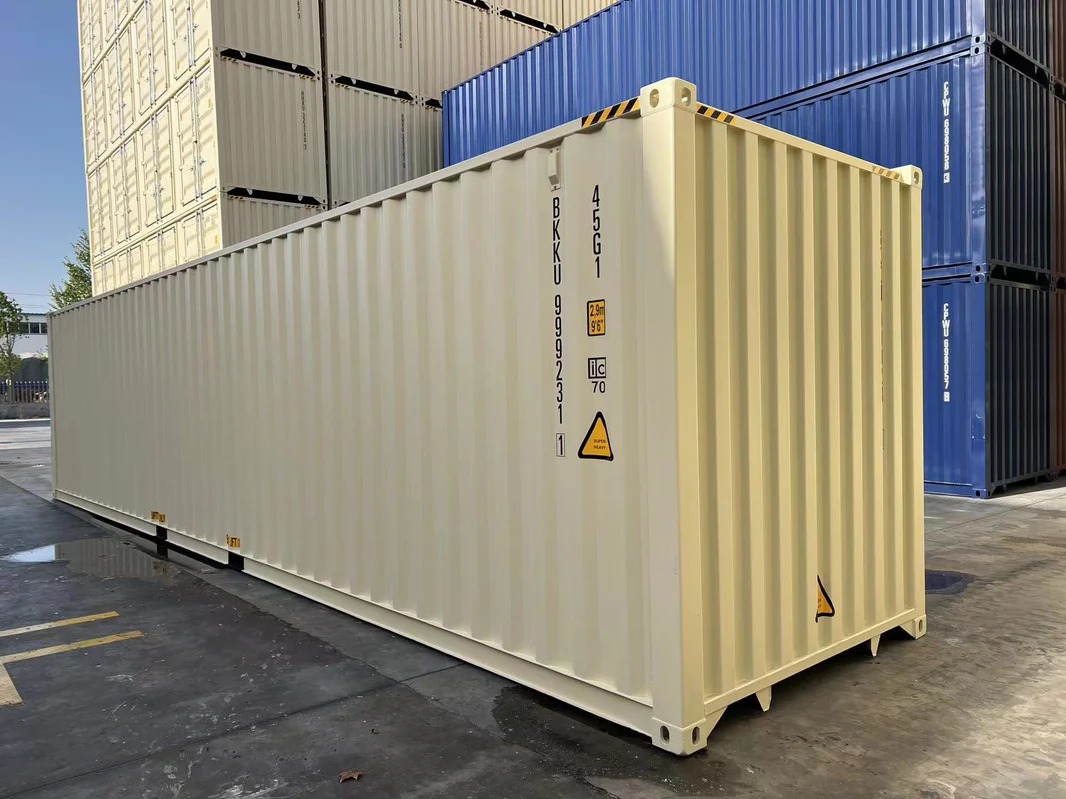
“The Ultimate Cheat Sheet” For 20 Ft Container Dimensions
Understanding 20 Ft Container Dimensions: A Comprehensive Guide
Shipping containers have ended up being the backbone of international trade, allowing companies to transport goods efficiently throughout countries and continents. Amongst the numerous sizes readily available, the 20-foot container is among the most popular choices due to its adaptability and usefulness. 20 Foot Side Opening Shipping Container intends to offer an in-depth overview of 20 ft container dimensions, their specs, and frequently asked concerns surrounding them.
Overview of 20 Ft Containers
The 20 ft container, formally referred to as a TEU (Twenty-foot Equivalent Unit), is typically utilized in shipping and transportation of goods. Its dimensions may a little vary depending on the producer and purpose, but the basic specifications remain reasonably consistent throughout standard designs.
General Dimensions
Below is a table summarizing the key dimensions of a standard 20 ft shipping container:
Dimension
Measurement (Feet)
Measurement (Meters)
External Length
20 ft
6.058 m
External Width
8 ft
2.438 m
External Height
8.5 ft
2.591 m
Internal Length
19.4 ft
5.898 m
Internal Width
7.7 ft
2.352 m
Internal Height
7.9 ft
2.385 m
Maximum Payload
28,200 pounds
12,700 kg
Volume
1,172 cu ft
33.2 cbm
Variations of 20 Ft Containers
While the basic 20 ft container is widely used, several variations accommodate particular needs:
High Cube Container:
- Height: 9.5 ft (2.896 m)
- Offers extra vertical space, making it ideal for lightweight however large cargo.
Reefer Container:
- Temperature-controlled for perishable goods.
- Dimensions may vary however normally match basic containers in length and width.
Open Top Container:
- Designed for extra-large cargo that can not fit through standard doors.
- Comes equipped with a removable tarpaulin covering.
Flat Rack Container:
- Used for carrying heavy machinery and large products.
- Has no sides or roofing, offering flexibility in loading.
Tank Container:
- Used for transporting liquids.
- While it normally shares the 20 ft frame, the internal geometry varies significantly.
Benefits of Using 20 Ft Containers
- Flexibility: Suitable for different types of cargo, from equipment to textiles to perishables.
- Affordable: Cheaper than bigger containers, making it a good choice for small shipments.
- Easy Handling: Standard size enables simpler loading and unloading in numerous transportation techniques.
- Stackable: Designed to be safely stacked, enhancing area during transportation.
Frequently Asked Questions
Q1: What is the optimum weight a 20 ft container can hold?
The maximum payload for a standard 20 ft container is generally around 28,200 pounds (12,700 kg). However, it's vital to note that weight limits can differ depending upon regulations in different nations.
Q2: How many pallets can fit in a 20 ft container?
Usually, a 20 ft container can accommodate around 10 standard pallets (48 inches x 40 inches) when packed optimally.
Q3: Can I rent a 20 ft container, and how much does it cost?
Yes, many shipping companies offer container rental services. The cost can differ substantially based upon area, period, and condition of the container. On average, leasing a 20 ft container might vary from ₤ 100 to ₤ 300 per month.
Q4: Are there standard colors for shipping containers?
Shipping containers can be available in numerous colors, although many are painted in basic colors like green, blue, or beige. The color often shows ownership by shipping companies.
Q5: How do I identify if a container appropriates for my cargo?
Ensure that the container's internal dimensions and rankings match the requirements for your particular cargo. Factors to think about include weight, volume, and the need for temperature level control.
20 ft containers work as a vital element in global shipping and logistics. Their standard dimensions, integrated with the accessibility of variations to fit varied shipping needs, make them a popular choice among organizations. Understanding these dimensions, together with the benefits and constraints of 20 ft containers, can substantially improve logistical decisions for companies and individuals alike.
Whether you're in the market to rent, buy, or simply inquiring, equipped with the right knowledge ensures you can tackle the complexities of shipping with confidence.